

Digestion in dogs. What's normal and what isn't.
Soft stools, eating grass or flatulence: what might be behind it, when you should see the vet and what helps in everyday life.
Go to articles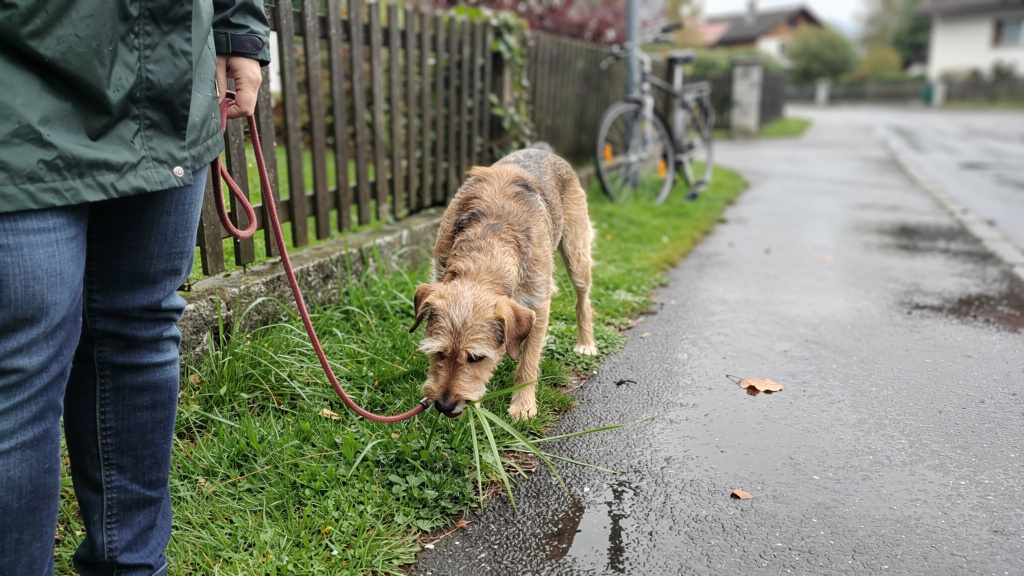
Understanding the signs
Does this sound familiar?
Diarrhoea
Many possible causes. Here's how to assess the situation.
Read articleFlatulence
What might be behind it and what you should look out for.
Read articleConstipation
Your dog is straining but nothing comes out? What might be behind it.
Read articleEating grass
Many dogs eat grass now and then. When it becomes a concern.
Read articleMany things can be behind these signs, from a change of food to an illness.
When should you see a vet? If diarrhoea or vomiting persists, if there is blood, if your dog isn't eating or seems listless, take them to the vet. With puppies and older dogs, sooner rather than later.
Frequently asked questions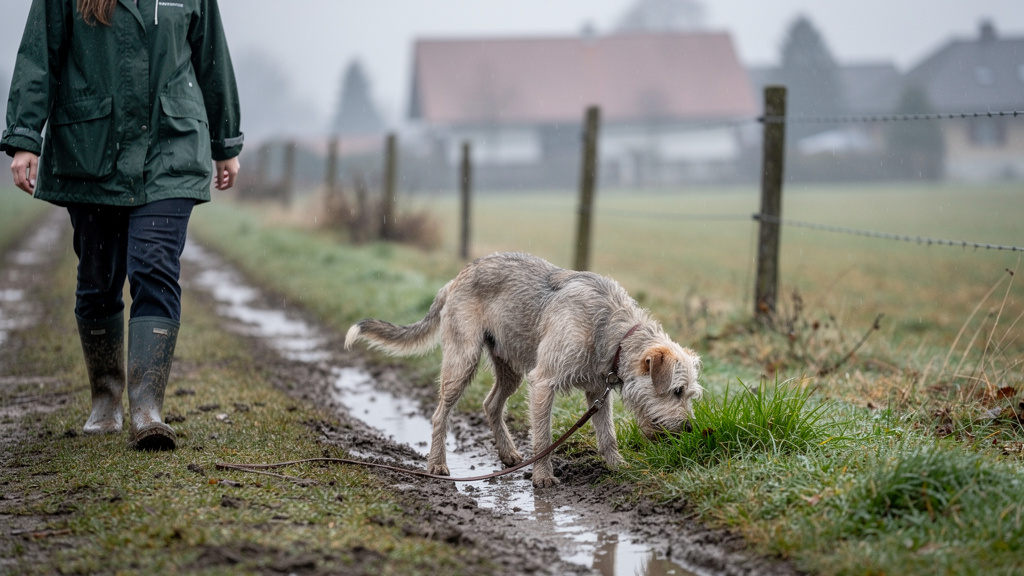

Frequently asked questions
Any questions?
Is eating grass a sign of digestive problems?
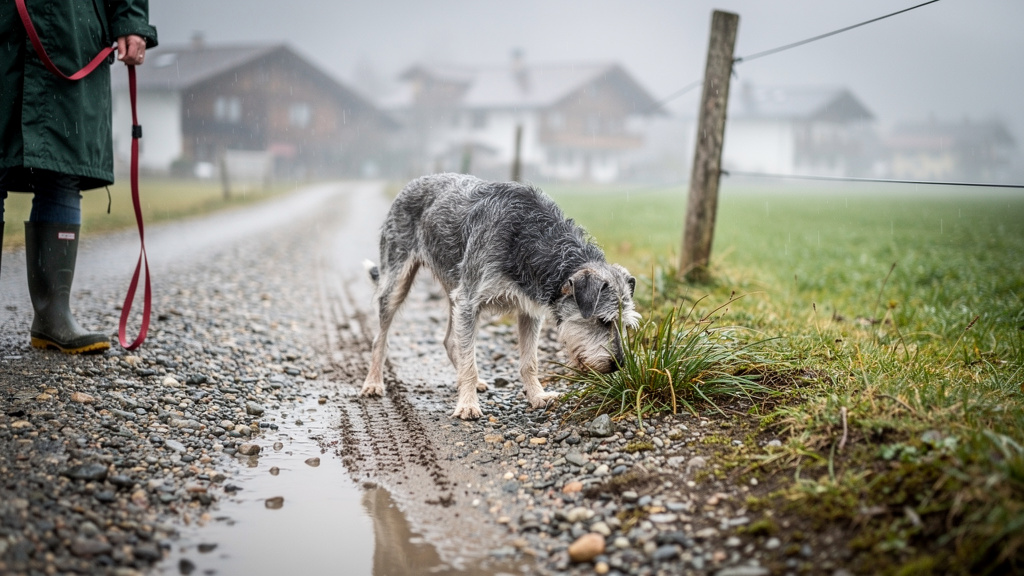
Not necessarily. Many dogs eat grass now and then. It becomes a concern if it suddenly increases significantly or your dog often vomits afterwards.
How do I switch food properly?
Slowly, over several days: each day, mix a little more of the new food into the usual food.
What can I do for digestion in everyday life?
Fixed feeding times, fresh water, enough exercise and no leftovers from the table.
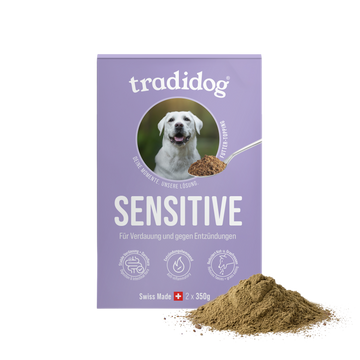
Is SENSITIVE a food?
No. SENSITIVE is a complementary feed (food topper) that is added to the usual meal every day.
For everyday life.
A topper is no substitute for a proper check-up. It complements your dog's daily feeding.
SENSITIVE
Processed linseed, tyndallised lactic acid bacteria and herbs.
A food topper, added daily to your dog's usual meal. More about SENSITIVEFeel-Good and Acceptance Guarantee: your money back. 90 days.
This guide is not a substitute for a veterinary examination. Complementary feeds are not medicines.

Hämmerli 2D, CH-8855 Wangen SZ
+41 55 460 26 97
+41 76 830 26 97
team@tradidog.ch